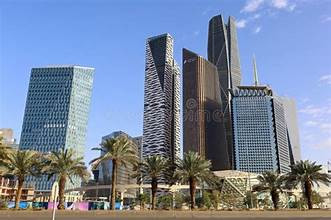
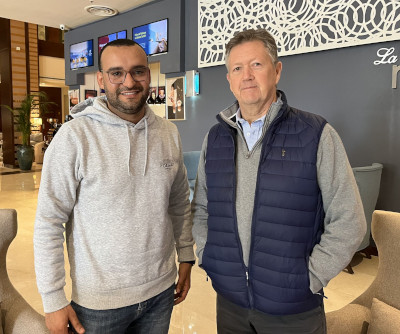
 “I doubt any country has changed as fast as Saudi Arabia in the past 20 years,” notes Senior Associate Bill Turner. A drive through Riyadh reveals hundreds of striking new buildings—with many more underway—alongside a welcome emphasis on initiatives such as Green Riyadh. Yet the transformation goes far beyond infrastructure. Social change is equally profound. If the following resonates with you, Riyadh could be your ideal next posting:
- A country united in its excitement about change and strongly aligned behind its national vision
- A welcoming, vibrant, and notably safe community
- A rapidly growing network of international schools
- Excellent professional development opportunities
- The ability to save a high proportion of your salary
- A climate that is predominantly sunny and warm
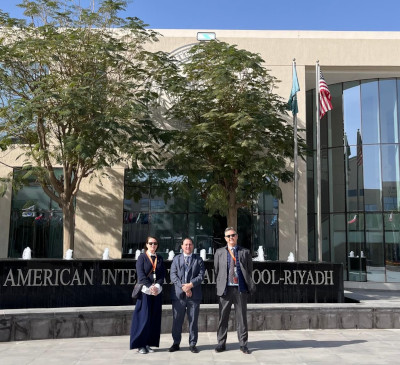 Search Associates (SEARCH) works with eight schools in Riyadh, and a further 14 across other regions of Saudi Arabia. In this article, Bill and Alison Turner share insights drawn from conversations with SEARCH teachers during their tour of the region, and we are grateful to them for sharing their experiences.
When considering a school in Riyadh, it is important to understand the diversity of school types. Some are Community Schools, such as the American International School Riyadh and the British International School Riyadh. These schools primarily serve expatriate, Western students, are partially exempt from Ministry guidelines, teach less Arabic and Islamic Education, and are coeducational.
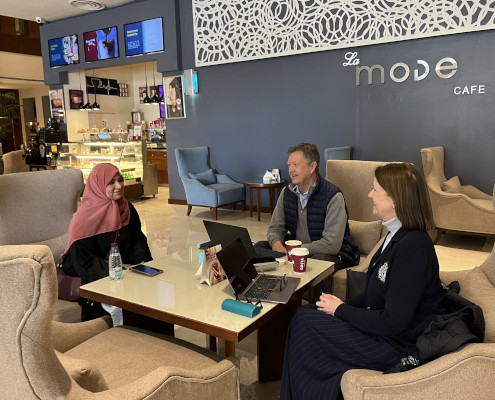 The second category includes International Schools, which—within the SEARCH network—are all Saudi-owned. Examples include Riyadh Schools and Altarbyah Alislamyah School. These schools mainly serve Saudi students, offering bilingual programs alongside international curricula such as GCSEs, APs, or the IB Diploma Programme. Gender segregation typically begins from Grade 4 (UK Year 5). Even within these broad categories, schools vary widely in mission, culture, and educational approach.
This latter group includes several large national foundations operating not-for-profit schools, such as King Faisal Schools, Riyadh Schools, and Misk—similar in structure to the Qatar Foundation, which oversees the Qatar Academy schools.
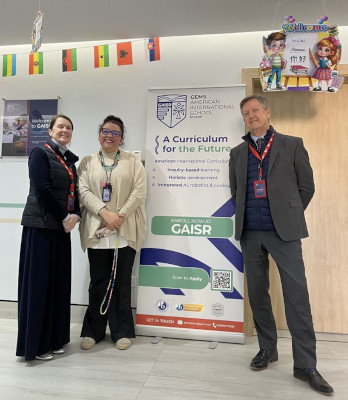 Overseas educators work across all of these schools and subject areas, and are recruited from a wide range of countries. However, Community Schools must pre-select from a more limited list of approved nationalities, which can affect the level of diversity found in their staffrooms.
Benefits packages for overseas teachers are clearly outlined on the Search Associates database. Combined with a relatively low cost of living, many teachers report being able to save a substantial portion of their income. In some cases, married couples can live on one salary and save the other entirely. VAT, currently 15%, was introduced in 2018, and a Dependents’ Fee applies for each non-working family member (currently SAR 400, or approximately USD 106, per person per month). For families with a non-working spouse and children, this can significantly affect overall costs. Most schools provide free transport between home and school, and some also organize regular trips to malls and supermarkets.
 School days and the academic calendar are generally generous. It is not unusual for students to finish between 1:30 and 2:30 p.m., and while calendars vary year to year, schools typically close for the summer in June.
Accommodation options include local residential communities or gated compounds. Each offers a distinct lifestyle. Living in local communities allows for greater interaction with Saudi culture and daily life, while compounds offer an expatriate-focused environment with impressive facilities—often including pools, sports centers, shops, restaurants, and in some cases cinemas and bowling alleys—along with a more relaxed dress code.
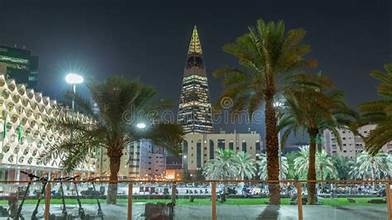 Riyadh is changing at remarkable speed. It is genuinely moving to hear Saudi students speak with such enthusiasm about the opening up of their country, and many teachers describe feeling privileged to witness this period of transformation firsthand. With some exceptions, including certain schools and official settings, women are no longer required to wear abayas. Saudi women typically do so by choice, often in a wide variety of styles and colors, and some do not wear hijabs. Those on very high salaries can now legally purchase alcohol at a limited number of outlets. The city boasts Michelin-starred restaurants, international sporting events—including Formula 1, boxing, football, golf, and darts—as well as comedy shows and live entertainment. Women DJs perform in restaurants, and one school proudly introduced us to a Grade 10 student who has won international fencing competitions.
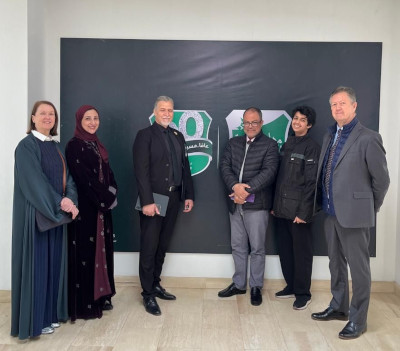 At the same time, Saudi Arabia remains a conservative society, marked by consistent politeness and respect in daily interactions. Some areas, including certain schools, still maintain separate entrances for men and women. The ongoing process of Saudisation means that increasing numbers of Saudi nationals are taking on roles across many sectors, including education.
Unlike in the UAE or Qatar, you will often encounter Saudi nationals working as taxi drivers, reception staff, and shop assistants. Teachers frequently describe locals as conservative, family-oriented, exceptionally hospitable, and eager to help—support is never far away when you need it.
 The visa process has accelerated significantly and now typically takes around six weeks, with schools managing the process on behalf of teachers. Travel in and out of the country is straightforward: Dubai is just a 90-minute flight from King Khalid International Airport, Jordan a little over two hours away, and Bahrain easily accessible by car via the causeway—an option many teachers in the Eastern Province enjoy on weekends.
Riyadh is a city of rapid change and expanding opportunity. At times it can feel a little “wild west,” as systems race to keep pace with societal transformation—creating both challenges and rewards. As always, read the small print carefully and get good advice.